
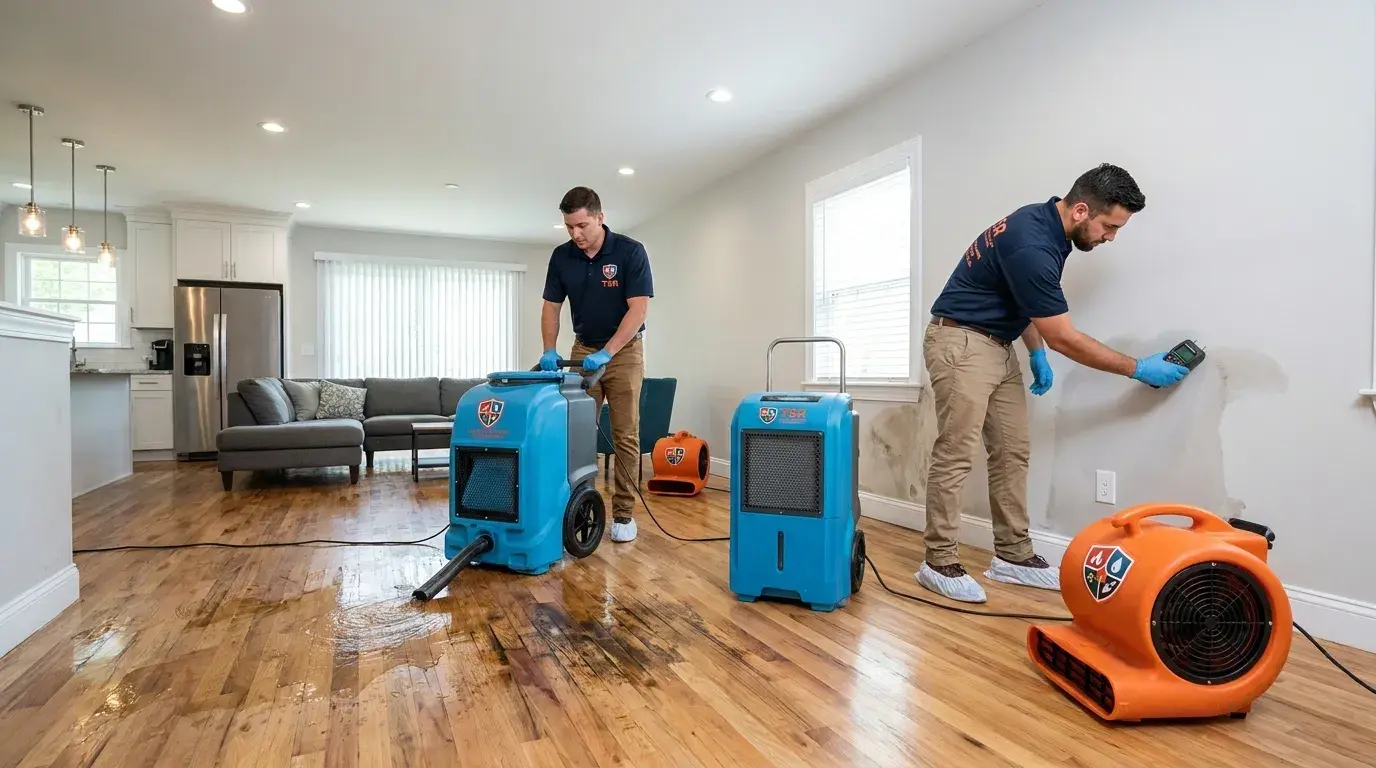
Water damage restoration in Beverly Hills takes on an entirely different level of complexity when applied to historic architecture and luxury estates. Unlike modern construction that heavily utilizes mass-produced, easily replaceable drywall and synthetic carpeting, older prestige estates across our community feature custom, irreplaceable craftsmanship. From century-old tongue-and-groove white oak flooring to custom-milled walnut parquet panels, these structural elements are irreplaceable parts of your home’s historic value. When a hidden copper pipe pinhole leak develops behind a vintage plaster wall or an antique hydronic heating radiator fails, the moisture does not just create an inconvenient mess—it threatens to permanently ruin historical architectural assets that are impossible to buy off a shelf.
Managing an emergency moisture crisis within a high-end historic estate requires a delicate balance of rapid physical intervention and specialized conservation techniques. Utilizing improper, aggressive extraction methods or choosing a contractor who relies on generic, modern demolition protocols can cause more permanent damage to your fine finishes than the initial water itself. Understanding how moisture interacts with old-growth hardwoods, why traditional plaster walls require unique drying strategies, and how a certified team safely preserves these fine details can save your estate from devastating structural loss and unnecessary construction alterations.
How Water Compromises Old-Growth Hardwood Flooring
Old-growth hardwood floors are significantly denser and more reactive than modern engineered wood planks. Because these floors have been exposed to decades of ambient indoor climate shifts, they have settled into a delicate equilibrium. When bulk water migrates beneath these planks due to a plumbing breach, it disrupts this balance completely, causing the wood to exhibit severe structural distortions:
The Lifecycle of Wood Floor Failure
- Cupping: When moisture levels underneath the subfloor are substantially higher than the humidity in the room, the bottom of the hardwood planks absorbs the liquid and swells. This causes the edges of each individual board to rise while the center sinks, creating an uneven, wavy profile across your room.
- Crowning: The reverse of cupping, crowning occurs when the top face of the wood remains wet for too long or dries improperly, causing the center of the plank to bulge upward while the edges slope down.
- Buckling: The most extreme form of floor failure. When hardwood planks absorb maximum water volume and expand beyond their physical boundaries, they tear free from their subfloor fasteners, lifting several inches entirely off the ground.
If you observe early signs of cupping or notice soft spots along your historic floorboards, time is your absolute enemy. If a professional recovery team does not intervene before the wood cells permanently collapse and fracture, the floors cannot be saved through drying and sanding, forcing a highly invasive, historically inaccurate replacement project.
The Plaster Wall Dilemma: Why Modern Drying Protocols Fail
Many historic estates built in the early-to-mid 20th century utilize traditional wood lath and plaster walls instead of standard modern drywall. Plaster is an exceptionally dense, heavy, cement-like material that responds to water intrusion in a completely different manner than modern gypsum board.
Capillary Trapping and Structural Air Movement
While modern drywall absorbs water rapidly and sags, plaster acts like a dense stone barrier. It absorbs water slowly, but once saturated, it holds onto that moisture deep within its layers for weeks. Furthermore, the wooden laths behind the plaster provide an ideal organic food source for fungal growth.
Standard mitigation companies who lack experience with historic properties will immediately suggest tearing down the plaster walls to access the wet wall cavity. However, a specialized structural dry-out team can utilize advanced, non-destructive environmental control systems to draw moisture out through the face of the plaster safely. This technique dries the internal wood lath system and structural framing from the inside out, preserving your original custom wall finishes intact.
The Professional Process for Preserving Historic Beverly Hills Estates
Restoring an architectural estate requires a highly precise, phased approach executed by certified professionals who combine advanced thermodynamics with fine conservation principles.
Step 1: Sub-Surface Specialized Extraction mat Systems
To save high-end hardwood flooring, technicians do not rely on standard vacuum wands. Instead, they deploy industrial hardwood floor drying mat systems. These large, rubberized mats are sealed directly to the face of the wood floor using a specialized gasket system. High-powered extraction pumps then create an airtight vacuum seal, pulling trapped liquid upward directly through the tight seams of the wood planks from the subfloor beneath.
Step 2: Advanced Injection Dryers for Wall Cavities
To dry the interior of lath-and-plaster walls or custom wainscoting without tearing it down, professionals utilize specialized injection drying systems. Technicians carefully remove the baseboards and drill tiny, inconspicuous micro-ports into the wall tracking. Warm, ultra-dry air is then pumped directly into the hidden wall cavities, forcing continuous air movement that evaporates internal moisture before venting it safely out of the structure.
Step 3: Climate Desiccant Dehumidification
While standard restoration jobs use refrigerant dehumidifiers, historic properties often require heavy-duty desiccant dehumidification. Desiccant units function by passing wet air over a specialized chemical wheel that absorbs water vapor, producing exceptionally dry air with extremely low relative humidity levels. This creates an intense vapor pressure differential that gently draws deep-seated water out of dense historic materials without over-drying or splitting the wood.
Navigating Premium Local Property Mitigation Care
When managing an urgent water threat inside an estate, partnering with a highly responsive, specialized team located within your immediate geographic neighborhood provides an unmatched operational benefit. Choosing an established specialist for water damage restoration in Beverly Hills means your response team can bypass heavy regional traffic bottlenecks and arrive at your property within minutes to stop the migration of water before it reaches custom cabinetry, fine art collections, or historic textiles.
A local restoration partner understands the high standards of communication, strict privacy protocols, and absolute discretion required when working inside premium residential estates. They are fully equipped to handle everything from intricate hardwood drying and historic plaster stabilization to comprehensive fire damage cleanup, detailed mold mitigation, and deep sewage cleanup with flawless technical precision. When you search for an elite structural care specialist near me, look for an accountable provider that offers meticulous documentation, coordinates directly with luxury insurance carriers, and treats your estate with maximum reverence.
Frequently Asked Questions
Can historic hardwood floors always be saved after a major leak?
If a professional team is called immediately, many historic hardwood floors can be saved using advanced sub-surface vacuum mat drying systems. However, success depends entirely on how quickly the extraction process begins. If the wood sits in bulk water for too long, the internal cellular structures collapse and warp permanently. Once the wood has cracked or buckled completely away from the subfloor, physical replacement is usually the only option.
Why shouldn’t a contractor immediately tear down my wet plaster walls?
Tearing down original plaster walls destroys the historic fabric and architectural authenticity of an antique estate. Plaster is structurally durable and can survive being saturated without dissolving, unlike modern drywall. Experienced historical restoration professionals possess the specialized injection-drying technology needed to completely dry plaster and internal wood lath systems safely without causing structural damage or requiring costly demolition.
What is the difference between a desiccant and a standard dehumidifier?
Standard refrigerant dehumidifiers cool the air to condense water vapor into liquid droplets, which works best in warm, humid environments. Desiccant dehumidifiers utilize a specialized chemical drying agent (like silica gel) to absorb moisture directly out of the air at a molecular level. Desiccants can achieve much lower humidity levels and operate effectively in cooler temperatures, making them ideal for pulling deep-seated water out of dense, historic hardwood floors and thick plaster walls.
How do you prevent mold from growing behind historic wood paneling after a leak?
To prevent fungal growth behind custom wood paneling or wainscoting, technicians must quickly lower the relative humidity within the hidden wall cavity to below 50%. This is accomplished by using non-invasive injection drying systems that circulate specialized, warm dehumidified air directly behind the woodwork. Technicians also apply non-staining, EPA-approved botanical antimicrobials that eliminate spores on contact without damaging valuable wood patinas or finishes.
Will my high-value homeowners insurance cover historical restoration techniques?
Yes, premium insurance policies designed for historic and luxury estates typically cover specialized restoration and preservation techniques, including advanced drying methods that avoid unnecessary demolition. A reputable restoration provider will supply your insurance adjuster with detailed digital moisture mapping logs, thermal imagery, and comprehensive line-item documentation to justify these conservation-first methods and streamline your claim.
Protect Your Architectural Legacy
If a hidden plumbing leak or sudden appliance breakdown threatens the integrity of your historic estate, don’t leave the recovery to chance or generic contractors. TS Restoration is standing by 24/7/365 with the specialized technical equipment, advanced training, and meticulous care required to preserve your home’s irreplaceable finishes.
- Company Name: TS Restoration
- Physical Address: 8909 W Olympic Blvd #208, Beverly Hills, CA 90211, United States
- Emergency Property Care: Contact our office directly to speak with an elite restoration specialist immediately.
Restore your property back to pristine condition. You can easily view our office location, map out rapid driving directions, or read verified testimonials from your neighbors directly on our Google Map to see how our friendly local team protects homes and historic estates across the entire community.