
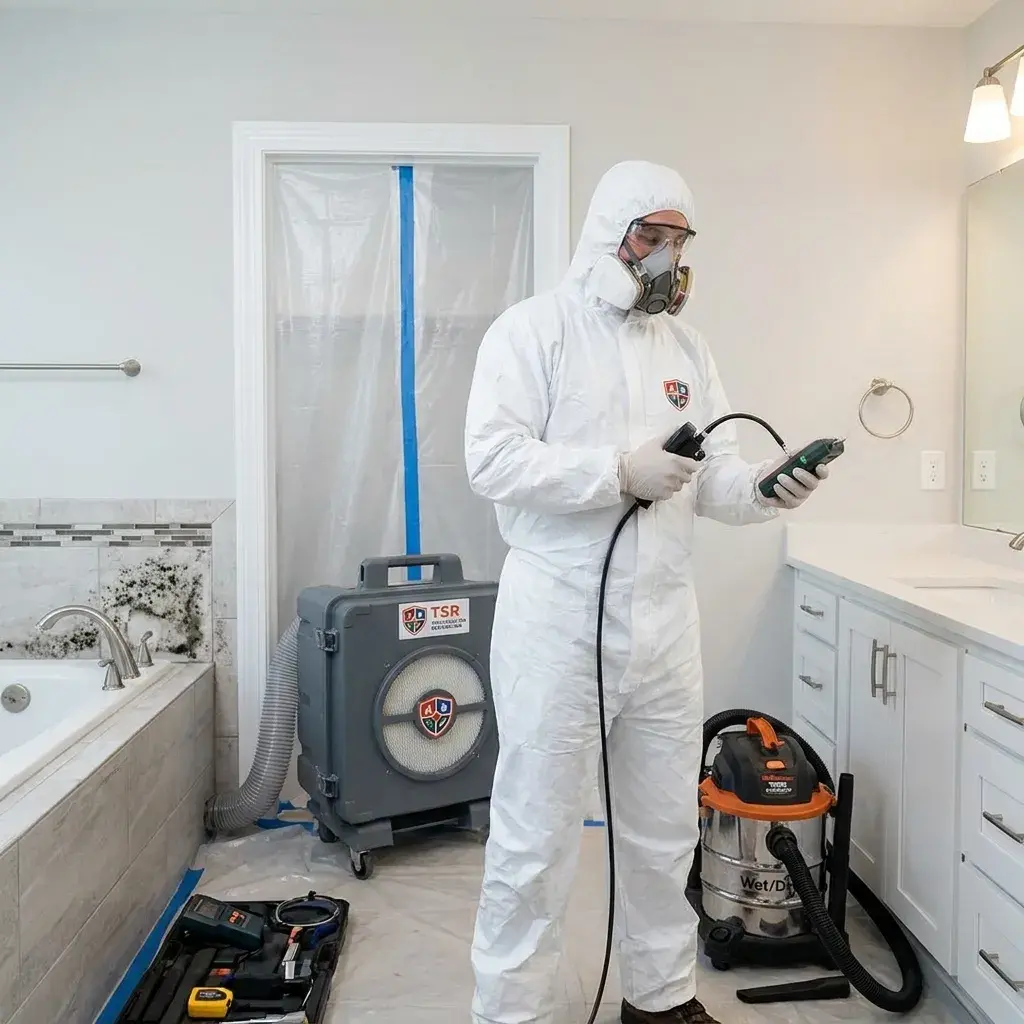
Mold remediation in Beverly Hills is an essential, highly technical service that residential and commercial property owners must utilize when dealing with a persistent, hidden indoor air quality crisis. While visible property disasters like a major pipe burst or a structural fire command immediate action, a silent fungal outbreak can quietly develop for weeks behind the scenes. A closet is one of the most vulnerable zones for this type of infestation. Because closets are dark, tightly enclosed, packed with organic fabrics, and often lack proper air circulation, a tiny, unaddressed moisture source can rapidly transform your storage space into a highly active breeding ground for toxic fungal colonies.
By the time you notice a distinct, earthy scent on your clothing or faint discoloration on your drywall, millions of microscopic spores have already colonized the area. Ignoring these subtle warnings can lead to severe structural damage and permanent damage to your high-end personal belongings. Understanding why mold targets your closets, the hidden risks it poses to your real estate investment, and how a professional mitigation team handles complete decontamination can save you from invasive structural carpentry and ongoing health hazards.
Why Do Closets Become Fungal Breeding Grounds?
Fungal spores naturally exist in nearly all indoor environments, but they remain completely dormant until they come into contact with a reliable water source. Once a moisture trigger is present, mold can germinate and begin growing on porous surfaces within 24 to 48 hours. Closets are uniquely engineered to support this rapid lifecycle due to several key environmental factors:
The Ideal Fungal Microclimate
- Hidden Plumbing Traces: Many residential closets share a common wall with bathrooms or laundry rooms. A tiny pinhole leak in a supply line or a slow drain failure behind the drywall can slowly pool water on the baseboards inside the closet wall cavity without showing obvious surface water damage.
- Lack of Air Circulation: Standard closets remain closed for the majority of the day, trapping stagnant air. Without proper ventilation or HVAC air exchange, relative humidity levels can easily spike above 60%, providing enough airborne moisture for spores to flourish.
- Abundant Organic Food Sources: Mold requires organic cellulose to feed on. The paper backing of standard drywall, natural wood shelving, cotton shirts, leather shoes, and wool suits are all ideal food sources for an expanding fungal colony.
When you notice a persistent musty smell that doesn’t disappear with standard air fresheners, it is not just an aesthetic nuisance. It is an indication that volatile organic compounds (VOCs) are actively off-gassing from a living, growing fungal cluster hidden behind your clothes or beneath your flooring.
The Hidden Dangers Facing Local Properties
Allowing an active fungal infestation to remain unaddressed in your home or commercial building leads to severe, compounding issues that stretch far beyond cosmetic damage.
Destruction of High-End Wardrobes and Finishes
When mold spores settle on premium materials like leather bags, custom wool coats, or silk garments, they feed on the organic proteins within the fabrics. If left untreated for too long, the mold will permanently stain, rot, and rot the materials, rendering valuable personal property entirely unsalvageable. Furthermore, mold roots—known as hyphae—will burrow deep into custom cabinetry, wood framing, and baseboards, requiring complete material removal rather than a simple surface wipe.
Severe Indoor Air Quality Degradation
As a mold colony grows, it releases millions of airborne spores and microtoxins into the breathing air. Every time you open your closet door, the movement of air distributes these microscopic contaminants out into your bedroom and throughout your entire ventilation system. This continuously degrades your indoor air quality, which can trigger respiratory irritation, chronic coughing, skin rashes, and severe sinus issues for sensitive occupants or families with young children.
The Professional Process for Mold Remediation in Beverly Hills
Safely removing a toxic mold infestation involves much more than simply spraying the surface with household bleach. In fact, applying bleach to porous materials like drywall only sanitizes the surface while providing the deep-seated roots with extra water, causing the colony to return even stronger. True recovery requires a highly scientific, phased approach executed by certified professionals who possess the diagnostic tools and containment equipment necessary to protect your home.
Step 1: Precision Moisture Mapping and Source Identification
The first step in any successful remediation is finding and cutting off the moisture source that triggered the growth. Technicians utilize non-invasive digital moisture meters and infrared thermal imaging cameras to track hidden water leaks or condensation zones behind the closet walls. If you do not fix the moisture problem first, the mold will inevitably return after cleaning.
Step 2: Setting Up Airtight Containment Zones
Before any contaminated drywall or shelving is touched, specialists must prevent spores from spreading to clean areas of your property. Technicians construct heavy-duty plastic containment barriers over the doorways and vents. They then deploy industrial air machines to create negative air pressure, ensuring that any airborne particles stirred up during cleanup are trapped entirely within the containment zone.
Step 3: HEPA Air Scrubbing and Micro-Vacuuming
Industrial air scrubbers equipped with certified HEPA filtration systems run continuously to pull spores directly out of the air. Technicians then use specialized HEPA vacuums to physically lift and remove loose fungal clusters from all structural components, studs, and framing.
Step 4: Controlled Material Removal and Antimicrobial Cleaning
Any highly porous materials that have been deeply penetrated by mold roots—such as contaminated drywall or insulation—are carefully removed and discarded in sealed containment bags. All remaining semi-porous and non-porous surfaces (like wood studs or concrete floors) are thoroughly scrubbed with EPA-approved, industrial-grade antimicrobials to eliminate the mold at a molecular level and prevent future spores from germinating.
Navigating Local Property Restoration Services
When managing a hidden indoor air quality crisis, partnering with a responsive, highly specialized team located within your immediate geographic area provides a significant operational advantage. Choosing an established local provider for mold remediation in Beverly Hills means your technicians can respond quickly, inspect your property thoroughly, and maintain a safe, clean environment for your family.
An emergency restoration team that maintains a focused neighborhood footprint understands the specific building materials, historic preservation guidelines, and municipal building codes of our community. They are fully equipped to handle everything from minor closet mold issues to comprehensive water damage restoration, structural drying, and sewage cleanup with absolute accuracy. When you search for a trusted property mitigation specialist near me, look for a dedicated partner that offers clear communication, handles direct insurance coordination, and treats your property with genuine care.
Frequently Asked Questions
Why shouldn’t I use household bleach to clean up mold?
Household bleach contains a very high percentage of water. When sprayed onto porous materials like drywall, wood, or carpet, the chlorine chemical stays on the surface while the water sinks deep into the material. This feeds the mold roots (hyphae) hiding inside the wall, causing the colony to regrow rapidly within a few days. Professional remediation requires specialized, deep-penetrating antimicrobials that completely eliminate the root structures without adding excess moisture.
How can I tell the difference between mildew and dangerous mold?
Mildew is a specific type of surface mold that typically grows flat, has a powdery texture, and appears gray or white. It usually develops on damp, non-porous surfaces and can often be wiped away easily. Mold, on the other hand, is much more invasive. It features a fuzzy or slimy texture and can range in color from deep green and black to bright orange. Mold grows beneath the surface of porous materials and requires professional extraction to remove safely.
How long does the professional mold remediation process take?
On average, a professional mold remediation project takes between 3 to 5 days to complete safely, depending on the size of the affected area and the amount of structural demolition required. Setting up containment, running HEPA air scrubbers for the mandatory air-clearing cycles, removing contaminated drywall, and applying deep antimicrobial treatments all require specific timelines to ensure the space passes post-remediation verification testing.
Will my property insurance cover the cost of mold remediation?
Insurance coverage for mold depends heavily on the root cause of the moisture. If the mold developed as a direct result of a sudden, accidental water emergency that is covered by your policy—such as a burst water pipe or a water heater rupture—the remediation is typically covered. However, if the mold was caused by long-term maintenance neglect, rising outdoor floodwaters, or a slow roof leak that went ignored for months, the claim may be denied.
How can I prevent mold from returning to my closets in the future?
To permanently prevent mold from returning, you must control the humidity and moisture levels in the space. Keep closet doors open occasionally to encourage fresh air circulation, avoid storing damp clothes or shoes, and leave a small gap between your clothes and the walls. For large walk-in closets, consider using a small dehumidifier or ensuring your home’s HVAC system is balanced to keep relative indoor humidity consistently below 50%.
Partner With Your Local Restoration Experts
If a musty odor has taken over your closet or you notice suspicious spotting behind your clothes, don’t allow a hidden air quality crisis to compromise your health or your home. TS Restoration is standing by 24/7/365 to deliver the rapid technical expertise and compassionate care you need to safely restore your property.
- Company Name: TS Restoration
- Physical Address: 8909 W Olympic Blvd #208, Beverly Hills, CA 90211, United States
- Emergency Assistance: Contact our office directly to speak with an on-call specialist immediately.
Get your property back to pristine condition today. You can easily view our office location, map out rapid driving directions, or read verified testimonials from your neighbors directly on our Google Map to see how our friendly local team protects homes and businesses across the community.