
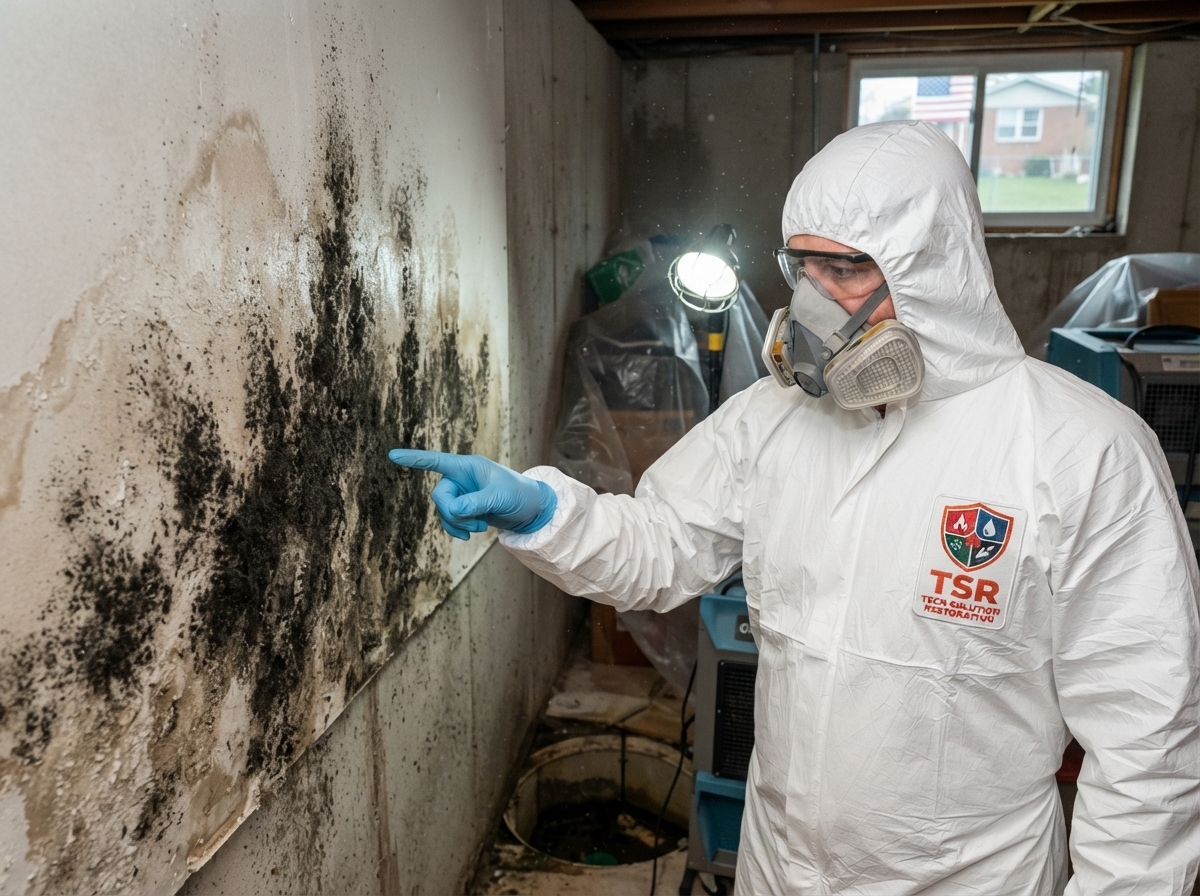
Every property has its own relationship with moisture, but homes in Venice deal with something inland Los Angeles properties largely don’t have to think about as much: a near-constant baseline of coastal humidity. Mold remediation in Venice has to account for that baseline, not just treat it like any other mold job with a single obvious cause.
A Different Moisture Baseline
Inland, a home’s interior humidity is largely driven by what happens inside it — cooking, showers, a leak. Near the coast, the outside air itself carries more moisture, which means materials are starting from a higher baseline before any additional water event even occurs. That baseline doesn’t cause mold on its own, but it does mean less additional moisture is needed to tip a space into conditions mold can grow in, and materials that do get wet take longer to fully dry.
Where It Shows Up First in Coastal Homes
In my experience with Venice properties, mold tends to show up first around window frames and sills, in closets along exterior walls, and in bathrooms with limited airflow — areas where humidity has the least chance to dissipate. Metal fixtures and hardware near the coast also corrode faster, which is sometimes the first visible sign something’s off before mold itself becomes obvious.
How Coastal Conditions Affect Materials
Wood trim, drywall, and other porous materials in coastal homes are more prone to holding onto ambient moisture even without a specific leak event. This is part of why a mold inspection in a Venice property often looks a little differently than one inland — we’re not just asking “what leaked,” but also considering whether the home’s ventilation and moisture barriers are doing enough to manage the coastal environment it sits in day to day.
We provide mold inspection and remediation throughout Venice, Marina del Rey, and nearby coastal communities.
What Mold Remediation Looks Like in This Environment
- A broader moisture assessment that considers ambient coastal humidity alongside any specific leak or water event.
- Inspecting window frames, exterior-wall closets, and low-airflow bathrooms as priority areas, given where coastal mold tends to appear first.
- Safe removal of affected materials, with attention to how quickly porous materials in this environment can reabsorb moisture after cleaning.
- Ventilation and moisture-barrier recommendations specific to managing a coastal environment long-term, not just addressing the immediate problem.
The EPA’s mold resource center covers general moisture control principles that apply, adapted here for a coastal humidity baseline.
Frequently Asked Questions
Is mold more common in Venice than inland LA neighborhoods?
Coastal humidity does create conditions that can make mold more likely in certain spots, like window frames and low-airflow rooms, though it still generally requires a specific moisture source or insufficient ventilation to actually develop.
Can better ventilation alone prevent coastal mold?
Improved ventilation helps significantly, though in some coastal properties, moisture barriers and material choices also play a role in managing the baseline humidity long-term.
Do coastal homes need mold inspections more often than inland homes?
It’s not a strict rule, but given the added baseline moisture, periodic checks — especially in window areas and less-ventilated rooms — are a reasonable practice for coastal properties.
Does salt air make mold remediation different?
It mainly affects how quickly materials corrode or hold onto moisture, which we factor into material assessment and drying time rather than changing the core remediation process itself.
Get Help Now
If your Venice home has recurring mold around windows, closets, or bathrooms, our mold remediation team can assess how the coastal environment is factoring into it.
📞 Call Tech Solution Restoration: 424-404-1450 — available 24/7