
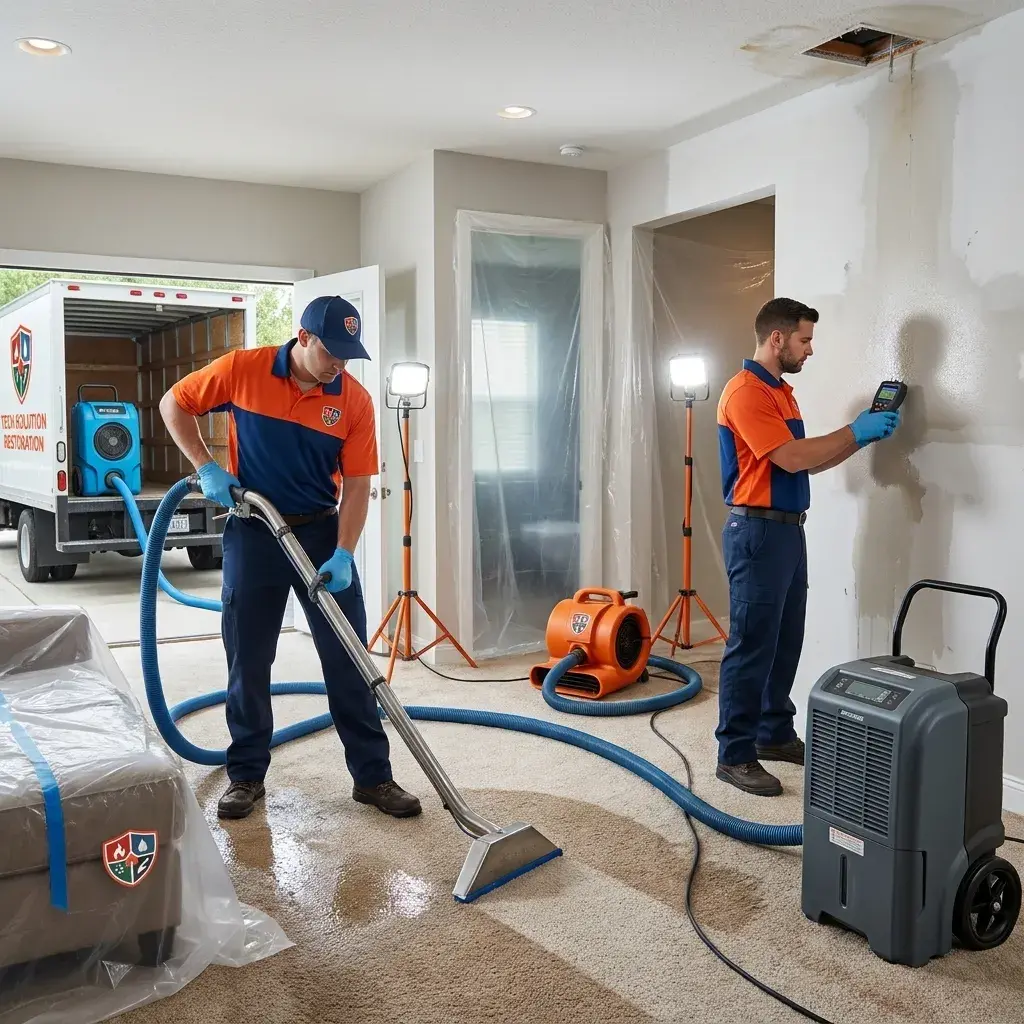
Water damage restoration in Beverly Hills is a critical, time-sensitive service that many property owners do not think about until a major crisis occurs. While sudden events like a ruptured washing machine line or a major sewer backup are impossible to ignore, some of the most destructive property issues stem from slow, invisible moisture intrusions. A tiny pinhole leak behind a bathroom wall or a gradual degradation of a refrigerator water line can quietly rot structural framing for months before showing obvious signs on the surface. By the time you notice physical changes in your living space, the structural integrity of your building components may already be severely compromised.
Recognizing the subtle, early warnings of a plumbing breach or foundation leak is the single best way to protect your real estate asset from long-term decay. One of the most common, overlooked indicators of a hidden moisture problem is changes to your trim work, specifically warped, peeling, or bubbling baseboards. Understanding why these cosmetic shifts happen, what they reveal about the health of your property, and how a professional team resolves the underlying crisis can save you thousands of dollars in extensive structural reconstruction and health-hazardous mold mitigation.
Why Do Baseboards Bubble and Warp?
Baseboards are designed to provide a clean visual transition between your flooring and your drywall, but they also serve as an accidental warning system for property owners. Most modern trim work is constructed from Medium-Density Fiberboard (MDF) or natural wood. These materials are highly porous and act like a sponge when they come into direct contact with moisture.
The Mechanics of Moisture Absorption
When a pipe leaks inside a wall cavity, gravity forces the bulk water down toward the floor tracking. The water pools on the subfloor and sits directly behind the baseboards. As the back of the trim absorbs the trapped liquid, the material swells and expands. Because the front face of the trim is covered in a layer of semi-impermeable paint, the trapped moisture forces the paint film to stretch, lift, and separate from the wood, creating a distinct “bubbling” or blistering appearance.
If you notice your baseboards pulling away from the wall, flaking paint, or showing soft, discolored spots, it is not an aesthetic issue caused by humidity. It is a definitive sign of active water migration that requires immediate diagnostic investigation before secondary structural rot sets in.
The Invisible Dangers Facing Local Properties
Ignoring a bubbling baseboard or a slight discoloration on your ceiling can lead to severe, cascading issues throughout your home or commercial building. Water does not remain stagnant; it continuously migrates through porous building materials via capillary action, expanding its damage zone every hour.
Rapid Structural Degradation
Drywall is highly susceptible to moisture degradation. When exposed to continuous water pooling, the gypsum core of the wallboard dissolves, causing the material to sag, break down, and lose its structural integrity. Furthermore, wood studs and subfloors that remain wet will eventually suffer from dry rot, permanently weakening the structural framing of your property and requiring costly, invasive carpentry repairs to fix safely.
The Inevitable Threat of Fungal Growth
Where there is unaddressed moisture, toxic mold is never far behind. Fungal spores naturally exist in the air but require a constant water source to germinate. Within 24 to 48 hours of an untreated leak, mold colonies can establish themselves on the paper backing of drywall, underneath carpeting, and inside wall cavities. This not only destroys your property materials but releases microscopic contaminants into your breathing air, severely impacting your indoor air quality and causing health issues for your family or tenants.
The Professional Process for Water Damage Restoration in Beverly Hills
Resolving a hidden moisture problem involves much more than simply wiping up the visible water and replacing a piece of damaged trim. True recovery requires a highly scientific, phased approach executed by certified professionals who possess the diagnostic tools and heavy-duty equipment necessary to return your property back to a safe, pre-loss condition.
Step 1: Precision Moisture Mapping and Leak Detection
Before any physical work begins, specialists must determine the exact boundaries of the water migration. Technicians utilize non-invasive digital moisture meters, thermal imaging infrared cameras, and electronic leak detection tools to trace hidden water pockets sealed deep behind your walls without causing unnecessary demolition.
Step 2: Emergency Water Extraction
If standing water is present beneath floors or carpets, high-capacity, truck-mounted vacuum systems are deployed to physically pull bulk water from the space. Removing bulk liquid mechanically speeds up the overall drying timeline and prevents the water from migrating further into adjacent rooms.
Step 3: Targeted Structural Drying and Environmental Controls
Once standing water is removed, the property enters the scientific drying phase. Technicians strategically position high-velocity air movers to evaporate moisture from the surface of walls and floors. Simultaneously, industrial Low Grain Refrigerant (LGR) dehumidifiers are deployed to pull the evaporated moisture directly out of the air, maintaining a highly controlled, low-humidity environment that speeds up structural drying and actively prevents mold spores from germinating.
Step 4: Sanitization and Fine Reconstruction
After daily moisture logs verify that all building materials have returned to their normal dry standards, the restoration shifts to rebuilding. Affected spaces are treated with EPA-approved antimicrobials to ensure total sanitation. Finally, licensed carpenters repair structural framing, hang and finish fresh drywall, and install brand-new baseboards, leaving your property looking entirely pristine.
Navigating Local Property Restoration Services
When dealing with a sudden property crisis, finding a responsive, highly specialized team located directly within your immediate geographic area provides a massive advantage. Choosing an established provider for water damage restoration in Beverly Hills means your technicians can bypass heavy regional traffic bottlenecks and arrive at your doorstep within minutes of your emergency call.
An emergency team that maintains a localized footprint understands the unique architectural styles, premium finishes, and municipal building codes of our neighborhood. They are fully equipped to handle everything from minor plumbing overflows to comprehensive flood cleanup, sewage cleanup, and detailed mold cleaning with absolute precision. When you search for a trusted property mitigation specialist near me, look for a dedicated partner that offers clear communication, handles direct insurance coordination, and treats your home with genuine empathy.
Frequently Asked Questions
Can I just paint over a bubbling baseboard once it dries?
No. Painting over a bubbling or stained baseboard only masks a superficial symptom while leaving the catastrophic underlying problem completely unaddressed. The bubbling indicates that water has already compromised the material structure and is actively sitting inside the wall cavity. If you do not locate and repair the source of the leak and ensure the internal structural framing is completely dry, the moisture will continue to rot your wood studs and encourage toxic mold growth behind the wall.
How do professionals find leaks without tearing down my walls?
Modern restoration companies utilize advanced, non-destructive inspection technology to accurately track water migration. Infrared thermal cameras detect subtle temperature differences caused by moisture pockets behind drywall, allowing technicians to see exactly where water is hiding. They also use specialized moisture meters with pinless sensors to measure the precise moisture content of walls, ceilings, and floors without leaving marks or causing damage.
How long does the professional structural drying process take?
On average, a professional structural dry-out takes between 3 to 5 days to complete safely. The exact duration depends heavily on the type of building materials affected, how long the water sat before mitigation began, and the volume of water involved. Dense materials like hardwood floors, concrete subfloors, and plaster walls take longer to dry completely than standard drywall and carpeting.
Will my property insurance cover water damage restoration services?
In most cases, standard homeowners and commercial property insurance policies cover water damage restoration if the root cause was sudden and accidental—such as a ruptured appliance supply line, a burst pipe, or a sudden water heater failure. Gradual damage caused by long-term neglect or unaddressed maintenance issues is typically excluded. A reputable restoration company will provide comprehensive digital photo logs and moisture readings to help streamline your insurance coordination.
What is the difference between flood cleanup and standard water extraction?
Standard water extraction typically involves clean or gray water originating from internal plumbing systems, such as sinks, water heaters, or clean pipes. Flood cleanup involves Category 3 “black water” from external sources, like heavy rainstorms, rising rivers, or outdoor surface water runoff. Floodwater carries mud, silt, debris, and highly hazardous bio-contaminants, requiring intensive sanitization protocols, specialized personal protective equipment (PPE), and thorough biocide disinfection to restore safety.
Partner With Your Local Restoration Experts
If you notice suspicious stains on your ceiling, soft spots on your walls, or bubbling along your trim work, do not wait for the structural damage to spread. TS Restoration is standing by 24/7/365 to deliver the rapid-response technical expertise and compassionate care you need to protect your real estate investment.
- Company Name: TS Restoration
- Physical Address: 8909 W Olympic Blvd #208, Beverly Hills, CA 90211, United States
- Emergency Assistance: Contact our office directly to speak with an on-call specialist immediately.
Get your property back to pristine condition today. You can easily view our office location, map out rapid driving directions, or read verified testimonials from your neighbors directly on our Google Map to see how our friendly local team protects homes and businesses across the community.