
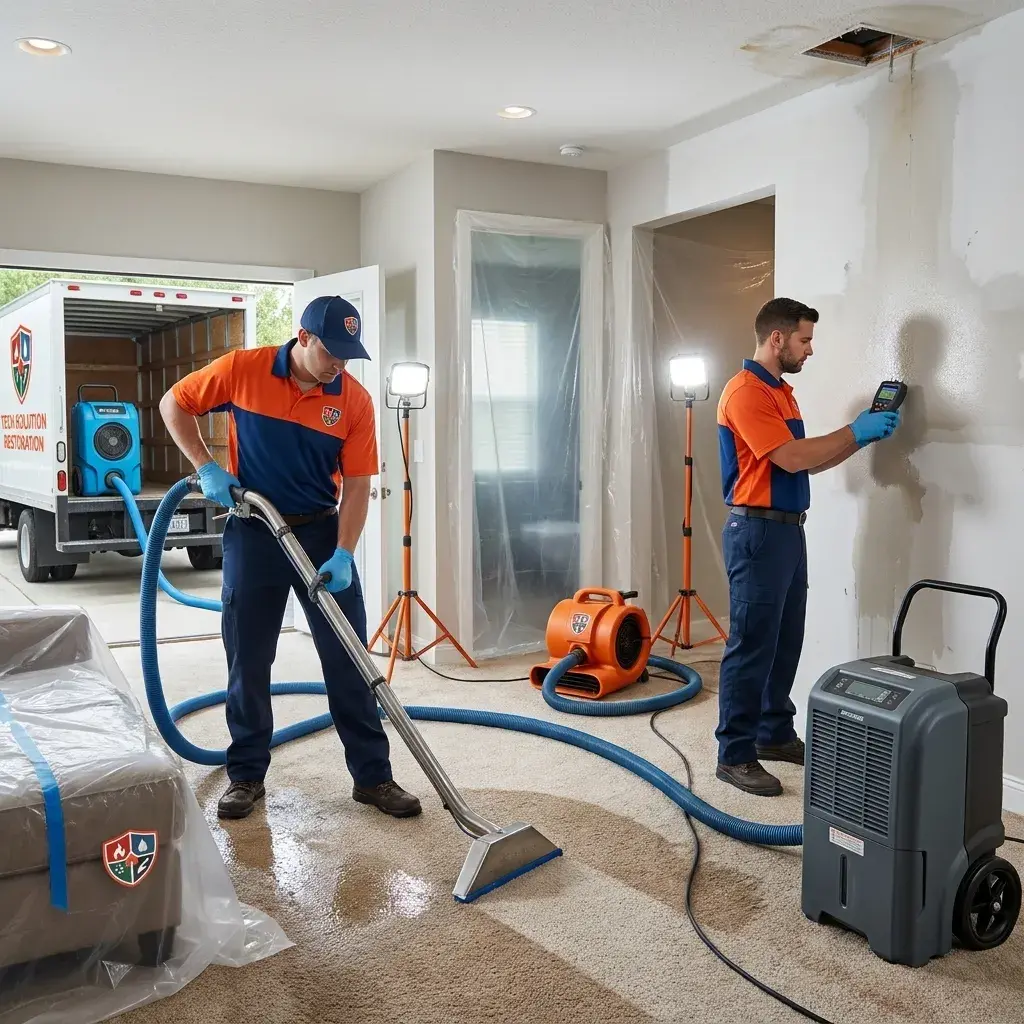
Discovering standing water in your home or commercial building is an immediate, high-stress emergency. Whether it is a burst copper pipe behind a bathroom wall, a failed water heater supply line, or sudden storm runoff, the clock starts ticking the moment moisture hits your floors. Professional water damage restoration in Beverly Hills is not just about cleaning up the visible mess—it is about execution, precise structural drying, and protecting your property from long-term degradation and toxic mold growth.
When a plumbing disaster or sudden flood strikes, trying to handle the cleanup with consumer-grade shop vacs or fans often leaves deep structural pockets completely saturated. This guide breaks down exactly what happens during professional mitigation, how to protect your property, and what to look for when searching for a reliable emergency response company near me to handle a restoration project from start to finish.
Why Immediate Water Damage Restoration in Beverly Hills Matters
Many property owners underestimate how quickly moisture migrates through a building. Within minutes, water spreads into adjacent rooms, soaking into carpets, padding, insulation, and baseboards. Within hours, drywall begins to sag, furniture stains transfer permanently onto floors, and wood framing swells. By the 48-hour mark, microbial growth kicks into high gear, transforming a straightforward clean-up project into a complicated hazardous mold scenario.
The True Cost of Delayed Mitigation
Ignoring a slow leak or waiting too long to call a licensed specialist can lead to catastrophic failures.
- Structural Compromise: Wood studs warp, subfloors delaminate, and ceiling plaster loses its integrity, threatening the literal foundation of your home.
- Property Value Decline: Undocumented or improperly dried water intrusions show up on moisture meters during future home inspections, drastically lowering your property value.
- Elevated Health Risks: Stagnant water and damp materials harbor bacteria, viruses, and mold spores that quickly ruin indoor air quality.
By prioritizing rapid water damage restoration in Beverly Hills, you stop the progression of secondary issues right in their tracks, saving thousands of dollars in structural reconstruction fees down the line.
Steps Followed by a Professional Water Damage Restoration Company
True restoration is a highly scientific discipline. Trusted mitigation professionals follow rigid industry guidelines established by the IICRC (Institute of Inspection, Cleaning and Restoration Certification) to safely bring your property back to its pre-loss state. Here is the exact blueprint used to rescue a flooded property.
1. Advanced Structural Inspection & Moisture Profiling
You cannot dry what you cannot see. Specialists don’t just rely on visual cues; they utilize specialized equipment to map out the hidden boundaries of the water intrusion:
- Thermal Imaging Cameras: Infrared technology uncovers hidden moisture pockets behind drywall, under hardwood floors, and beneath cabinets without tearing down structural elements unnecessarily.
- Probless and Penetrating Moisture Meters: These tools measure the exact moisture content percentage within building materials compared to a dry standard.
2. Rapid Water Extraction and Flood Clean-up
The most effective way to dry a structure is to physically remove as much bulk liquid as humanly possible. Heavy-duty truck-mounted extraction units and submersible pumps are deployed to pull thousands of gallons of standing water from flooring, preventing deeper saturation into the subfloor.
3. Industrial-Grade Dehumidification and Structural Drying
Once standing water is gone, evaporation takes over. Technicians strategically position high-velocity air movers to force moisture out of porous materials like drywall and framing into the air. Simultaneously, industrial LGR (Low Grain Refrigerant) dehumidifiers pull that humid air in, condense the moisture, and pump it out of the building, maintaining an environment optimized for rapid drying.
4. Antimicrobial Sanitization and Odor Removal
Water from broken pipes or sewage backups carries significant biohazard risks. Every affected surface must be treated with EPA-approved antimicrobials, sanitizers, and disinfectants to eliminate bacteria and prevent mold spores from taking root. Hydroxyl generators or ozone machines may also be used to scrub the air and neutralize persistent musty odors.
Key Terms, Variations, and LSI Keywords to Know
Navigating a property insurance claim or describing your emergency to a technician is much easier when you understand the industry terminology. When dealing with a wet property, you may encounter several related terms during your search for solutions:
- Water Extraction: The physical process of pumping or vacuuming standing water out of a structure.
- Flood Clean-up: The broader process of removing debris, ruined contents, and water following a major storm or massive plumbing failure.
- Structural Drying: The calculated technique of using temperature, airflow, and dehumidification to remove deep-seated moisture from building materials.
- Sewage Cleanup: A specialized Category 3 water loss mitigation process involving highly contaminated water that requires strict protective gear and thorough sterilization.
- Dehumidification: Controlling the relative humidity of the indoor air to pull moisture out of walls and floors efficiently.
Finding Reliable Water Mitigation Services Near Me
When water is rushing across your kitchen or office floor, you do not have time to sort through unvetted, out-of-state call centers. You need an established team located directly in your community that can arrive on-site with a fully equipped truck in under an hour.
Choosing a local provider near me ensures that the technicians understand the local architecture, housing layouts, and building codes unique to the area. Furthermore, proximity means faster arrival times, which directly translates to less structural damage and a significantly lower overall restoration bill. Look for a provider that offers direct insurance billing, 24/7 availability, and certified technicians who can guide you through every step of the process with empathy and transparency.
Frequently Asked Questions
How long does the structural drying process take after water damage?
On average, the structural drying process takes between 3 to 5 days. However, the exact timeline depends heavily on the class of water damage, the materials affected (hardwood and concrete take significantly longer to dry than drywall), and how quickly the water extraction phase was initiated. Technicians monitor moisture levels daily and will not remove the drying equipment until all materials hit their target dry standards.
Will my homeowners insurance cover water damage restoration?
In most cases, standard homeowners insurance policies cover water damage restoration if the cause was sudden and accidental—such as a ruptured pipe, a frozen line, or a washing machine malfunction. Gradual damage resulting from long-term neglect, poor maintenance, or regional rising floodwaters usually requires specialized flood insurance. It is best to document the damage with photos and contact your restoration company immediately; they can assist with direct insurance billing and provide comprehensive moisture logs.
Can I stay in my home during the restoration and cleanup process?
Whether you can stay depends entirely on the scale of the damage and the areas affected. If the damage is isolated to a single room, you can likely remain on-site. However, if the main living areas, kitchen, or bathrooms are compromised, or if industrial air movers and dehumidifiers are creating excessive noise and heat, temporary relocation is highly recommended for your comfort and safety.
How do professionals prevent mold from growing after a flood?
Prevention relies on speed, specialized chemistry, and environmental control. Technicians deploy industrial dehumidifiers to drop the indoor relative humidity below 50%, making it impossible for mold to thrive. They also apply medical-grade antimicrobial treatments directly to affected framing, subfloors, and drywall to kill existing spores and create a defensive barrier against future growth.
What is the difference between water mitigation and water restoration?
Water mitigation focuses on immediate damage control—extracting standing water, preventing further structural harm, applying antimicrobials, and completely drying out the property. Water restoration happens after the drying phase is complete, involving the physical reconstruction, repair, and rebuilding of ruined elements like replacing drywall, installing new flooring, and painting walls.
Partner with Your Local Beverly Hills Restoration Specialists
Property emergencies require fast action from people you trust. TS Restoration is right here in your neighborhood, ready to dispatch a certified team to protect your property and restore your peace of mind.
- Tech Solution Restoration
- 8909 W Olympic Blvd #208, Beverly Hills, CA 90211, United States
- Contact our office directly to speak with an on-call specialist.
If you need urgent assistance, you can easily view our location, find driving directions, or check out our customer reviews directly on the Google Map to see how we help property owners throughout the area recover from unexpected disasters.