
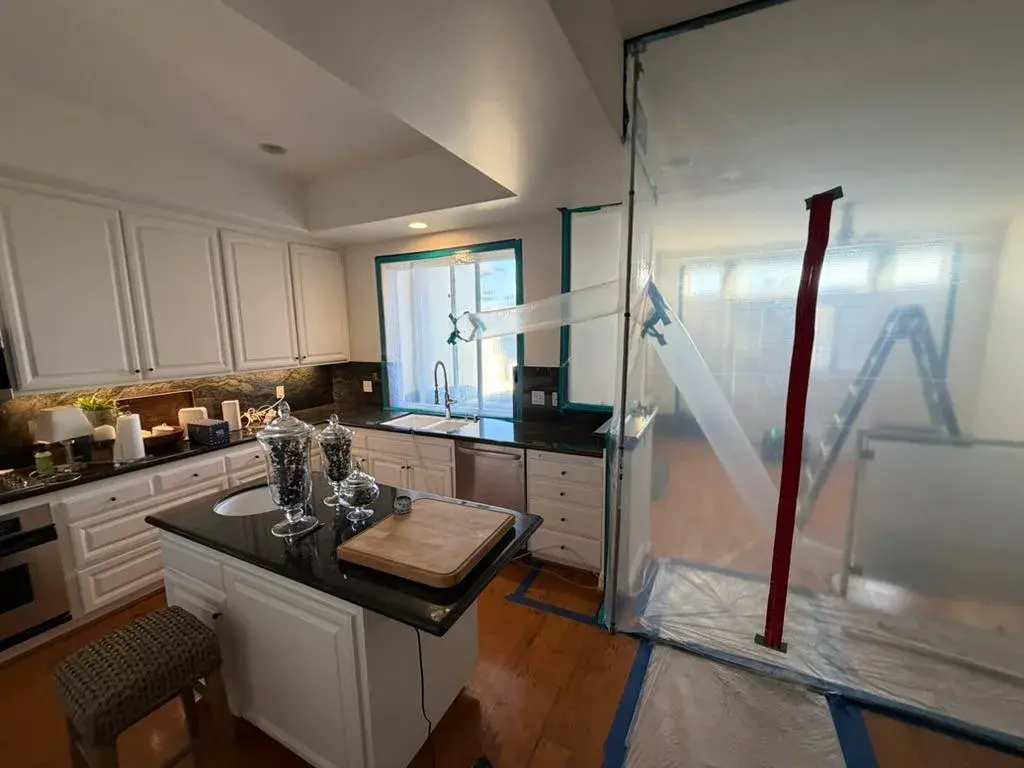
A condo unit in Studio City doesn’t flood in isolation the way a single-family home does. Water damage restoration in Studio City condo and multi-unit buildings almost always involves more than one party — the unit owner, possibly a neighbor below, and often the HOA, and I’ve learned over the years that managing that coordination is as much a part of the job as the actual drying work.
Why Condo Water Damage Is Different
In a single-family home, water damage is contained by the property lines. In a condo building, a leak on the third floor can become a ceiling problem on the second floor within hours. That means the scope of a “water damage” call in a multi-unit building is rarely just about the unit where the leak started, it’s about tracing where the water actually went, which can span multiple units and shared common areas.
The HOA Layer
Most HOAs have specific requirements about who needs to be notified, what documentation is required, and sometimes which vendors are approved to work in the building. I always recommend owners loop in their HOA or property manager early, even while restoration work is starting, because delays in that communication can create friction later, especially when it comes to determining what’s covered by the building’s master policy versus an individual owner’s policy.
Shared Walls and Multi-Unit Risk
Shared walls and ceilings mean moisture can travel further than an owner expects, sometimes into a neighboring unit without an obvious visual sign right away. This is part of why a proper assessment in a condo building often includes checking adjacent units, not just the unit where the damage was first noticed. Skipping that step is one of the more common reasons a “small” leak turns into a dispute between owners weeks later.
We handle water damage restoration for condo and multi-unit properties throughout Studio City, Sherman Oaks, and Toluca Lake.
How We Handle These Projects
- Initial assessment across all potentially affected units, not just the reported source.
- Documentation built for HOA and insurance purposes, since multi-party claims tend to need more detailed records.
- Coordinated extraction and drying across affected units, scheduled to minimize disruption where possible.
- Clear communication with property management throughout, so there’s one consistent source of updates rather than confusion between parties.
Frequently Asked Questions
Who pays for water damage in a condo — the owner or the HOA?
It depends on where the damage originated and what your building’s governing documents say, which is why looping in your HOA or property manager early matters. We’re not able to give specific coverage advice, but we document the damage thoroughly to support whichever claims process applies.
Should I notify my downstairs neighbor right away?
Generally yes, especially if there’s any chance water has traveled through a shared floor or wall — early notice gives everyone a better chance of limiting the damage.
Can restoration work happen without disrupting neighboring units?
In many cases, yes, though if adjacent units are affected, some coordination and access will likely be needed. We try to keep that as minimal and organized as possible.
Does the HOA need to approve which restoration company is used?
Some HOAs have preferred vendor requirements, so it’s worth checking your building’s policies early in the process.
Get Help Now
If you’re dealing with water damage in a Studio City condo or multi-unit building, our water damage restoration team can help coordinate the process with your HOA from the start.
📞 Call Tech Solution Restoration: 424-404-1450 available 24/7