
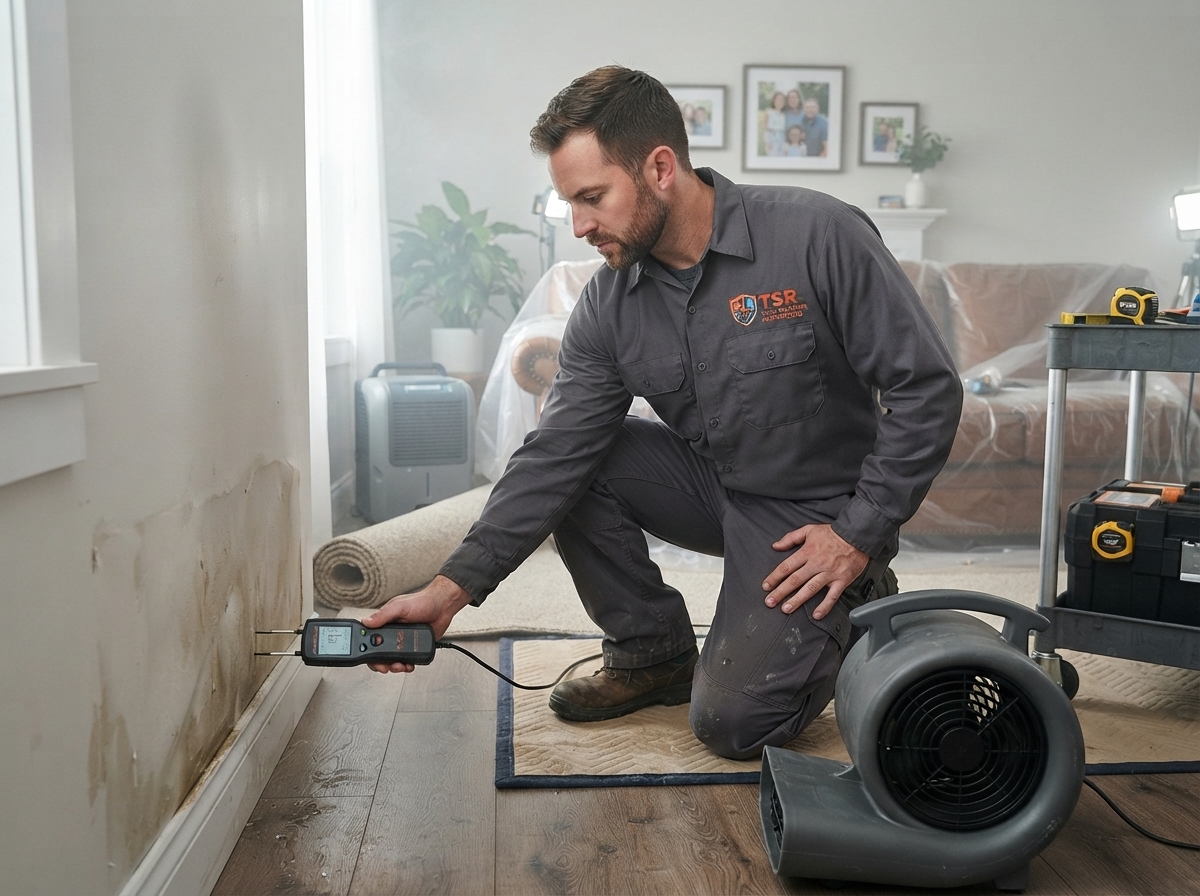
When a plumbing failure, burst pipe, or sudden storm floods a residence or commercial property, property owners face immediate financial and operational uncertainty. Beyond the stress of physical property destruction, navigating emergency response fees, moisture monitoring logs, and complex insurance coverage limits can feel overwhelming.
Partnering with a certified water damage restoration team that provides transparent pricing breakdowns and works directly with insurance adjusters is essential. Understanding how restoration costs are calculated—and how to properly document a loss—ensures your property is restored to pre-loss condition without unexpected out-of-pocket expenses.
Key Factors That Determine Water Damage Restoration Pricing
No two water loss incidents are identical. Professional restoration estimates are calculated using standardized industry software (such as Xactimate) based on specific physical variables evaluated during the initial inspection.
1. Water Contamination Level (Category 1, 2, or 3)
- Category 1 (Clean Water): Sourced from sanitary supply lines or appliance overflows. Demands standard extraction, directional air movement, and dehumidification, representing the most cost-effective scenario.
- Category 2 (Gray Water): Contains chemical or organic contaminants from washing machines or sump pump failures. Requires bio-wash applications and the removal of porous carpet padding.
- Category 3 (Black Water): Highly hazardous water from sewage main backups or overland flooding. Demands specialized biohazard containment, HEPA air scrubbing, removal of contaminated lower drywall, and hospital-grade sanitization, which increases labor and disposal costs.
2. Extent of Moisture Absorption (Class 1 Through 4)
- Class 1: Slow evaporation rate affecting only a small portion of a room with low-porosity materials (e.g., concrete or tile).
- Class 2: Fast evaporation rate affecting an entire room, carpet, and lower drywall up to 24 inches.
- Class 3: Fastest evaporation rate, usually stemming from upper-floor pipe bursts where water saturates ceilings, walls, subfloors, and structural framing.
- Class 4: Specialty drying situations involving deeply saturated low-porosity materials like solid hardwood, plaster, and structural brick that require high-vacuum drying mats and desiccant dehumidifiers.
Navigating the Insurance Claim Process Step-by-Step
Filing an insurance claim for structural water damage requires thorough documentation and rapid emergency response to fulfill policyholder obligations regarding loss mitigation.
Step 1: Emergency Source Control & Immediate Inspection
Shut off the main water valve immediately to stop continuous flooding. Contact a 24/7 professional restoration company to perform non-invasive thermal imaging inspections and document initial moisture boundaries before water evaporates or migrates further.
Step 2: Comprehensive Visual & Moisture Documentation
Before removing any standing water or damaged materials, technicians take detailed high-resolution photos and thermal images of all impacted rooms, structural elements, and personal property. Daily moisture logs are established to track structural dry-down progress.
Step 3: Direct Claim Filing & Itemized Estimates
Your restoration provider submits an itemized estimate broken down by specific line items—including gallon extraction volume, equipment run times, and square footage of materials treated. Direct billing with your insurance carrier eliminates administrative friction and ensures swift claim approval.
Real-World Scenarios: Managing Complex Restoration Claims
Scenario 1: Sudden Multi-Story Pipe Burst
An upper-level copper supply line ruptured in a two-story home, causing Class 3 water damage across living areas, ceilings, and hardwood subfloors. Because the loss was sudden and accidental, the owner’s policy covered emergency water extraction, thermal drying, and complete drywall replacement. Detailed thermal imaging logs provided by the restoration team ensured full insurance reimbursement without dispute.
Scenario 2: Main Line Sewage Backup
A municipal drain blockage forced Category 3 black water into a subterranean lower level. Technicians deployed strict containment barriers, removed saturated lower drywall, sanitized non-porous surfaces, and provided complete biohazard documentation to fulfill the homeowner’s specialized sewer backup endorsement requirements.
Frequently Asked Questions (Q&A)
How much does professional water damage restoration typically cost?
Costs vary based on the water category and affected square footage. Small, clean-water leak dry-outs may range from a few thousand dollars, while extensive Class 3 or Category 3 multi-room flood restorations require specialized biohazard extraction and structural repairs. Most major losses are covered under standard property insurance policies after your deductible is met.
Will property insurance cover all types of water damage?
Most standard policies cover sudden and accidental water losses, such as burst copper pipes, water heater ruptures, and appliance hose failures. However, damage caused by neglected long-term maintenance or external rising floodwaters usually requires separate flood insurance coverage (such as NFIP policies).
What is my responsibility as a homeowner during a water emergency?
Policyholders are required by insurance contracts to take reasonable steps to prevent further damage—a concept known as “mitigating the loss.” Calling a certified 24/7 restoration team to extract standing water and install dehumidifiers immediately satisfies this requirement.
Can I choose my own water damage restoration company?
Yes. As a property owner, you have the legal right to hire any certified restoration contractor you choose. You are not obligated to use an insurance company’s preferred vendor, and selecting an independent specialist guarantees that your property’s interests remain the top priority.
Need Immediate Assistance? Contact Our Beverly Hills Team Today
When water emergencies threaten your home or commercial facility, every minute counts. Tech Solution Restoration provides 24/7 rapid-response water extraction, advanced structural drying, and complete property recovery tailored to Beverly Hills and nearby service areas. We handle the entire process from initial containment to direct insurance billing.
Don’t wait for hidden moisture to cause structural rot or mold growth. Call our certified local specialists now for immediate dispatch!
- Brand Name: Tech Solution Restoration
- Address: 8909 W Olympic Blvd Unit 208, Beverly Hills, CA 90211
- Phone Number: (310) 857-8767
- Emergency Line: Available 24 Hours / 7 Days a Week
READ MORE: